

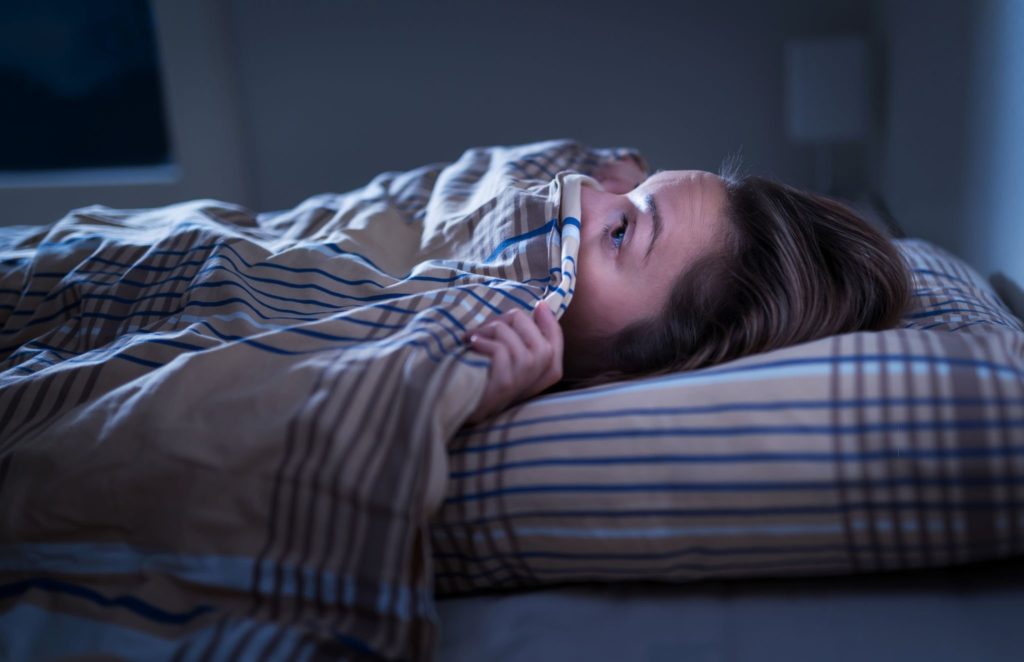
- Nocturnal panic attacks occur during sleep, characterized by a sense of panic and confusion.
- The experience of waking up in the middle of the night, overwhelmed by anxiety and a sense of dread, can be disorienting and distressing.
- Let's find out more about nocturnal panic attacks and learn effective methods to manage them.
Nocturnal panic attacks occur during sleep, characterized by a sense of panic and confusion. The experience of waking up in the middle of the night, overwhelmed by anxiety and a sense of dread, can be disorienting and distressing. These nighttime episodes can disrupt sleep patterns and significantly impact overall well-being, leading to increased emotional strain and exhaustion.
Managing the symptoms of panic attacks at night often involves implementing relaxation techniques, creating a comforting sleep environment, and seeking professional guidance to address the underlying triggers and psychological factors contributing to these unsettling episodes.
Let’s find out more about nocturnal panic attacks and learn effective methods to manage them.
Nocturnal panic attacks are intense episodes of fear or terror that happen during sleep, abruptly waking individuals from their slumber.
It might happen when you are peacefully immersed in a world of dreams, only to be abruptly jolted awake, gasping for air, with a powerful sense of impending doom looming over you [1].
Nocturnal Panic Attacks Vs. Night Terrors
It’s important to differentiate nocturnal panic attacks from night terrors. While both disrupt sleep, they differ in the way they manifest and affect the individual.
Night terrors usually involve intense fear or terror that occurs during non-REM sleep, leading to a partial waking state characterized by screaming and inconsolable fear.
In contrast, nocturnal panic attacks typically occur during REM sleep and involve a sudden waking up in a panic and confused state [1].
Who Gets Nocturnal Panic Attacks?
Nocturnal panic attacks don’t discriminate; they can affect people of all ages. However, certain demographics seem to be more prone to experiencing them.
Research suggests that women are more likely than men to experience nocturnal panic attacks.
Additionally, individuals with a history of panic disorder or those who experience high levels of stress and anxiety during the day may be more susceptible to these nocturnal disruptions [2].
How Common are Nocturnal Panic Attacks?
While it’s challenging to pinpoint an exact prevalence rate, studies indicate that a significant portion of individuals who experience panic attacks during the day may also encounter them during sleep.
Unfortunately, due to the intricate nature of sleep and the unobtrusive presentation of these episodes, many cases might go unreported or undiagnosed.
Duration of Nocturnal Panic Attacks
Nocturnal panic attacks typically follow a specific timeline, although individual experiences may vary. Here’s a general overview of how these episodes unfold:
Onset: Nocturnal panic attacks can occur during the process of falling asleep or while already in a deep slumber. The sudden awakening often happens within the first two hours of sleep, catching the person off guard and disoriented [2].
Peak Intensity: The peak intensity of a nocturnal panic attack is often reached within minutes of waking up, with symptoms such as a racing heart, shortness of breath, and an overwhelming sense of dread or impending doom.
Resolution: Thankfully, these episodes usually last for a short duration, typically between 5 to 20 minutes. However, the residual effects of fear and anxiety might linger, making it difficult for the individual to fall back asleep [1].
Have you ever wondered what could be causing those unsettling nocturnal panic attacks that disrupt your sleep? The roots of these nighttime episodes can be complex, often stemming from various underlying factors that contribute to their occurrence.
Let’s find out the different categories of causes associated with these episodes.
Physiological Factors
Physiological factors can significantly contribute to the onset of nocturnal panic attacks. These include:
Genetics: Research suggests that individuals with a family history of anxiety disorders or panic attacks may be genetically predisposed to experiencing these nighttime episodes.
Neurotransmitter Imbalance: Disruptions in the balance of neurotransmitters, such as serotonin and norepinephrine, in the brain can lead to increased susceptibility to panic attacks, including those occurring during sleep [1].
Psychological Triggers
Psychological triggers play a vital role in precipitating nocturnal panic attacks. These triggers can involve:
Stress and Anxiety: Elevated stress levels and unresolved anxiety, whether related to specific life events or general daily pressures, can contribute to the occurrence of these episodes [2].
Trauma: Past traumatic experiences, such as accidents, abuse, or major life changes, can leave a lasting emotional imprint, potentially leading to the development of nocturnal panic attacks.
Sleep-Related Factors
Several sleep-related factors can also play a role in the onset of nocturnal panic attacks:
Sleep Disorders: Conditions such as sleep apnea, insomnia, or restless legs syndrome can disrupt the sleep cycle, creating an environment conducive to the occurrence of nocturnal panic attacks [2].
Sleep Deprivation: Inadequate or poor-quality sleep over an extended period can heighten overall anxiety levels, making individuals more vulnerable to experiencing panic attacks during sleep.
Medications and Substance Use
Certain medications and substance use can trigger or exacerbate nocturnal panic attacks:
Stimulants: Consuming stimulants like caffeine or certain medications that have stimulating properties close to bedtime can disrupt sleep patterns, potentially leading to nocturnal panic episodes [2].
Alcohol and Drugs: Excessive use of alcohol or certain recreational drugs can alter brain chemistry, impacting the neural processes that regulate sleep and emotional well-being, thus increasing the likelihood of experiencing nocturnal panic attacks.
Underlying Health Conditions
Underlying health conditions can also contribute to the occurrence of nocturnal panic attacks:
Cardiovascular Issues: Conditions such as heart disease or irregular heart rhythms can create physiological stress, leading to nocturnal panic episodes [1].
Respiratory Disorders: Respiratory issues like asthma or chronic obstructive pulmonary disease (COPD) can result in nocturnal hypoxemia, triggering panic-like symptoms during sleep.
Experiencing panic attack symptoms at night can be a distressing and bewildering ordeal. The signs of panic attack while sleeping can vary in intensity and manifestation, encompassing a range of physical, emotional, and cognitive signs.
Let’s explore the different categories of symptoms of a panic attack when falling asleep and during the night.
Physical Signs of Panic Attack While Sleeping
Nocturnal panic attacks can manifest in various physical ways, including:
Rapid heart rate: Feeling your heart racing or pounding, often accompanied by palpitations or a sensation of a racing heartbeat [3].
Sweating: Sudden and excessive sweating, often despite the absence of physical exertion or elevated room temperature.
Trembling or shaking: Involuntary trembling or shaking of the limbs or the entire body.
Shortness of breath: Feeling breathless or experiencing difficulty breathing, often leading to a sensation of suffocation or choking.
Chest pain: Experiencing chest discomfort or pain, often mistaken for symptoms of a heart attack during the episode.
Emotional and Cognitive Symptoms
Nocturnal panic attacks can trigger a range of emotional and cognitive symptoms, such as:
Intense fear or dread: Overwhelming feelings of fear or terror, sometimes without a specific identifiable cause [3].
Sense of impending doom: A persistent feeling that something terrible is about to happen, contributing to heightened anxiety levels during the episode.
Confusion and disorientation: Waking up feeling disoriented, bewildered, or unsure of the surroundings, leading to a sense of confusion and emotional vulnerability.
Behavioral Indications
While the behavioral manifestations of nocturnal panic attacks may be less noticeable, they can include:
Pacing or restlessness: Engaging in restlessness or pacing around the room during or after the episode, fueled by heightened anxiety levels.
Avoidance of sleep: Developing a fear of going back to sleep after the episode, leading to avoidance of bedtime or sleep-related activities.
Associated Nighttime Patterns
Certain patterns and behaviors can also be associated with nocturnal panic attacks:
Waking up in the middle of the night: Sudden awakenings from deep sleep, often accompanied by a sense of panic or anxiety, disrupting the sleep cycle [2].
Persistent anxiety at bedtime: Developing a pattern of increased anxiety or fear specifically associated with bedtime, leading to difficulties falling asleep or maintaining sleep throughout the night.
If you’re grappling with unsettling nocturnal panic attacks, it’s essential to discern whether they stem from underlying mental health issues.
Here are some criteria and methods to help you determine if your nocturnal panic attacks are indicative of a broader mental health concern.
Assess the Frequency and Intensity
Evaluating the frequency and intensity of your nocturnal panic attacks can provide crucial insights into their underlying causes. Consider the following:
Frequency: Note how often these episodes occur, whether they are sporadic or happen regularly over an extended period.
Intensity: Assess the severity of the symptoms experienced during these episodes, including the level of fear, physical discomfort, and emotional distress [1].
Recognize Associated Mental Health Symptoms
Identifying any concurrent mental health symptoms that accompany nocturnal panic attacks can help in understanding their underlying nature. Look out for:
Daytime Anxiety: Note whether you experience heightened anxiety or distress during the day, which may be linked to the nighttime episodes.
Depressive Symptoms: Pay attention to any signs of persistent low mood, lack of interest in activities, or feelings of hopelessness that might accompany the nocturnal panic attacks.
Consider the Impact on Daily Life
Assessing how these episodes affect your daily functioning is crucial in understanding their impact on your overall mental well-being. Reflect on:
Sleep Disruptions: Evaluate how these nighttime episodes affect your sleep patterns and overall sleep quality, leading to daytime fatigue or drowsiness.
Interpersonal Relationships: Consider whether these episodes impact your relationships, work, or social life, leading to difficulties in functioning normally [2].
Coping with nocturnal panic attacks can be challenging, but implementing effective strategies can help alleviate their frequency and intensity.
Here are some tips and techniques that can assist in stopping panic attacks at night.
Relaxation Techniques
Engaging in relaxation techniques can help reduce anxiety and promote a sense of calm before bedtime. Consider the following practices:
Deep Breathing: Practice deep, diaphragmatic breathing to slow down your heart rate and induce a sense of relaxation.
Progressive Muscle Relaxation: Tense and relax each muscle group in your body sequentially, promoting overall physical and mental relaxation [4].
Establish a Soothing Bedtime Routine
Creating a soothing bedtime routine can signal to your body that it’s time to unwind and prepare for rest. Incorporate the following practices into your routine:
Limit Stimulating Activities: Avoid engaging in stimulating activities or screen time before bed to promote a calm environment conducive to sleep.
Mindfulness or Meditation: Practice mindfulness or meditation to foster a sense of present-moment awareness and tranquility [3].
Create a Comfortable Sleep Environment
Ensuring that your sleep environment is comfortable and conducive to relaxation can aid in preventing nighttime panic attacks. Consider the following adjustments:
Regulate Temperature and Lighting: Maintain a cool and dimly lit environment to promote a conducive atmosphere for restful sleep.
Comfortable Bedding: Invest in comfortable bedding and pillows that support your body and enhance overall sleep quality [4].
Cognitive Behavioral Therapy (CBT)
Engaging in cognitive behavioral therapy can help address the underlying thought patterns and behaviors associated with nocturnal panic attacks. Consider the following CBT techniques:
Exposure Therapy: Gradually expose yourself to triggers or situations that induce panic attacks to desensitize your response and build resilience over time.
Cognitive Restructuring: Challenge and reframe negative thought patterns associated with nighttime anxiety, promoting a more balanced and realistic perspective [2].
Medication and Professional Guidance
Seeking guidance from a mental health professional can provide access to effective treatment options and support. Consider the following avenues:
Medication: Consult a healthcare provider for appropriate medications that can help alleviate the symptoms of nocturnal panic attacks when other strategies prove insufficient.
Therapeutic Guidance: Work with a therapist or counselor who specializes in anxiety and panic disorders to develop personalized coping strategies and techniques [1].
Seeking professional help for managing nocturnal panic attacks is crucial, particularly when these episodes significantly interfere with your overall well-being and daily functioning.
Here are some key indicators of when it’s time to reach out to a mental health professional for support and guidance.
Persistent and Disruptive Symptoms
If you find that the symptoms of nocturnal panic attacks persist and significantly disrupt your daily life, it’s essential to seek professional assistance. Consider the following signs:
Frequent Episodes: Experiencing nocturnal panic attacks regularly, impacting your sleep quality and overall well-being [3].
Daytime Implications: Noticing that the effects of these episodes spill over into your daytime activities, affecting your work, relationships, and overall quality of life.
Inability to Cope with Symptoms
When you find it challenging to cope with the symptoms and implications of nocturnal panic attacks on your own, it’s time to consider professional help. Look for the following signs:
Increased Anxiety: Noticing a significant escalation in overall anxiety levels, leading to difficulties managing daily stressors and triggers [4].
Lack of Effective Coping Strategies: Feeling overwhelmed and unable to implement effective coping mechanisms or strategies to mitigate the impact of these nighttime episodes.
Exhaustion and Emotional Strain
If the nocturnal panic attacks lead to persistent exhaustion and emotional strain, seeking professional assistance becomes imperative. Consider the following indicators:
Chronic Fatigue: Experiencing ongoing fatigue and exhaustion due to disrupted sleep patterns and persistent nighttime episodes.
Emotional Distress: Feeling emotionally drained and overwhelmed, struggling to manage the intense emotions associated with these episodes.
1. Cleveland Clinic. Nocturnal Panic Attacks. https://my.clevelandclinic.org/health/diseases/22776-nocturnal-panic-attacks
2. Choosing Therapy. Nocturnal Panic Attacks: Symptoms, Causes, & How to Cope. https://www.choosingtherapy.com/nocturnal-panic-attacks/
3. Medical News Today. What to know about panic attacks at night. https://www.medicalnewstoday.com/articles/324531
4. Mayo Clinic. Nocturnal panic attacks: What causes them? https://www.mayoclinic.org/diseases-conditions/panic-attacks/expert-answers/panic-attacks/faq-20057984
FAQs
The Article
About This Article
✔ Medically Reviewed
✔ Evidence-Based Sources
✔ Updated Regularly
✔ Clinically Verified
This article was written by THE BALANCE’s clinical content team and reviewed by a licensed medical or mental health professional (such as an MD, psychiatrist, clinical psychologist, or equivalent). Our reviewers ensure that the information reflects current research, accepted medical guidelines, and best practices in mental health and addiction treatment. THE BALANCE’s medical editors draw on extensive real-world clinical experience supporting individuals in residential, outpatient, and luxury private treatment settings across Europe and internationally.
Editorial Standards & Integrity
THE BALANCE follows strict editorial and clinical review standards to ensure accuracy, balance, and reliability:
- All medical statements rely on authoritative sources such as the WHO, NIMH, APA, NHS, CDC, and SAMHSA
- Statistics use the most recent and reliable research available
- No medical or therapeutic claims are made without clear, verifiable evidence
- Content is reviewed and updated regularly to reflect evolving science, treatment guidelines, and clinical best practices
- Commercial interests do not influence clinical accuracy; all clinical insights are reviewed independently
- Recommendations include context, limitations, and alternatives where appropriate
How We Review Sources
- Our clinical writers and editors rely on:
- Peer-reviewed research and meta-analyses
- National and international treatment guidelines
- Professional bodies and regulatory authorities
- Verified public data from reputable institutions
We do not use anecdotal reports, unverified claims, or commercially biased sources. Every factual claim is supported by established evidence.
Conflicts of Interest
THE BALANCE provides private mental health and addiction treatment services. However, our clinical reviewers ensure that all content remains objective, non-promotional, and balanced. When discussing treatment options, we outline limitations, risks, and alternatives. Our priority is reader safety and informed decision-making.
How to Use This Information Safely
Mental health and addiction conditions are complex and vary significantly between individuals. The information in this article is provided for general educational purposes only and should not replace professional medical advice, diagnosis, or treatment. If you or someone you know is experiencing symptoms, seek guidance from a qualified healthcare professional. To maintain accuracy and trust, THE BALANCE updates articles regularly as new research and clinical guidance become available.
Do you need help?
If you’re struggling, you don’t have to handle it alone. Support is available - whether you’re feeling overwhelmed, anxious, depressed, or dealing with alcohol or drug-related concerns. If you feel unsafe, are at risk of harming yourself, or someone else is in immediate danger, contact your local emergency number immediately.
Talk to Someone Now (Free & Confidential)
Choose your country to find a trusted helpline near you:
Spain
- Suicide & emotional crisis helpline: 024 (24/7, free, multilingual)
- Samaritans in Spain: 900 525 100 (24/7)
Switzerland
- Die Dargebotene Hand / La Main Tendue: 143 (24/7)
- Pro Juventute (youth): 147
United Kingdom
- Samaritans: 116 123 (24/7, free)
- NHS urgent mental health support: call 111 (24/7)
United States
- 988 Suicide & Crisis Lifeline — call, text, or chat 988 (24/7)
Canada
- 9-8-8 Suicide Crisis Helpline — call or text 988 (24/7, nationwide)
- Talk Suicide Canada (alternate): 1-833-456-4566
France
- National suicide prevention number: 3114 (24/7, free)
Germany
- TelefonSeelsorge: 116 123
- Alternate numbers: 0800 111 0 111 / 0800 111 0 222
Italy
- Telefono Amico Italia: 800 860 022 or 02 2327 2327
Not an Emergency, but You Want Support?
If you’re not in immediate danger but are worried about yourself or someone you care about, reaching out early can make a meaningful difference.
Explore Care Options Near You
This website lists verified mental health professionals, addiction specialists, and treatment programs searchable by country and location. Use the “Find treatment” / “Providers” section to explore available options.
Or Reach Out to Us
If you’d like help understanding next steps, you can contact our team confidentially. We’ll listen without judgment and help you explore appropriate options.
Contact our team
- Phone: +41445005111
- Email: help@balanceluxuryrehab.uk
- Availability: Mon–Sun, 07:00–22:00 CET
Not sure what to say? You can simply write: “I need help.” We’ll take it from there.