
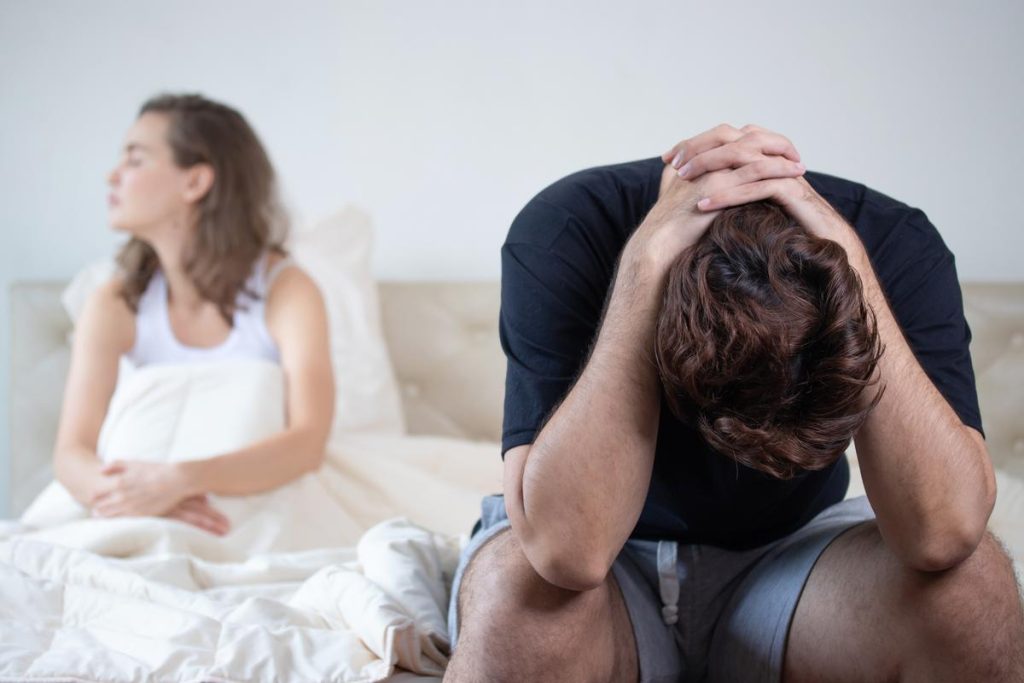
- Erectile dysfunction (ED) associated with anxiety is a prevalent concern, impacting a significant number of men worldwide.
- Stress and anxiety can play a substantial role in the development and exacerbation of ED.
- Erectile dysfunction can be a challenging issue for men to grapple with, and it often has a significant impact not just on physical health but also on mental well-being.
Erectile dysfunction (ED) associated with anxiety is a prevalent concern, impacting a significant number of men worldwide. Stress and anxiety can play a substantial role in the development and exacerbation of ED.
It’s worth noting that seeking help is crucial for addressing this issue, and there are various effective treatments available.
For those looking for a more comprehensive and comfortable approach to tackle anxiety-related ED, our luxury treatment center specializing in sexual health and psychological well-being provides a serene and personalized environment where individuals can receive tailored therapies to address both the emotional and physical aspects of their condition.
Erectile dysfunction can be a challenging issue for men to grapple with, and it often has a significant impact not just on physical health but also on mental well-being. One of the lesser-known but crucial factors contributing to ED is anxiety.
When anxiety-induced, ED is characterized by difficulties in achieving or maintaining an erection due to the physiological effects of anxiety, such as heightened stress responses and performance-related concerns.
How to Know If Your Erectile Dysfunction Is Due to Anxiety
Identifying whether anxiety is the root cause of your ED can be a bit tricky, as it can often overlap with other factors.
However, there are some telltale signs:
Performance Anxiety: If your ED mainly occurs during sexual encounters and you find yourself obsessing about your performance, this could be a sign that anxiety is the culprit.
Stress-Related Triggers: Pay attention to whether stressful situations, like work pressure or relationship issues, coincide with episodes of ED.
Improved Function in Relaxed Settings: If you notice that your ED symptoms ease up when you’re in a more relaxed and comfortable environment, it could be a clue that anxiety is at play [2].
Consult a Professional: If you’re uncertain about the cause of your ED, it’s crucial to consult a healthcare provider who can conduct a thorough evaluation and help determine whether anxiety is a contributing factor.
Impact on Mental Health
Anxiety-related erectile dysfunction isn’t just a one-way street; it can also take a toll on your mental health:
Increased Anxiety: ED can create a vicious cycle where the fear of sexual performance issues leads to more anxiety, exacerbating the problem.
Low Self-Esteem: Struggling with ED can significantly affect your self-esteem and self-worth, leading to feelings of inadequacy.
Relationship Strain: ED can strain relationships due to communication issues and emotional distance.
Depression: Over time, the stress and emotional burden of ED can contribute to symptoms of depression [2].
Who Gets Erectile Dysfunction Due to Anxiety
While anxiety-related ED can affect anyone, certain demographics may be more prone to it:
Age: Younger men can experience performance anxiety due to inexperience or social pressure, while older men might face ED due to age-related factors.
Relationship Status: Those in new relationships or experiencing relationship stress may be more vulnerable to anxiety-related ED.
Work-Related Stress: High-stress jobs, especially when combined with long hours and little downtime, can contribute to ED.
Underlying Anxiety Disorders: Individuals with diagnosed anxiety disorders, such as generalized anxiety disorder or social anxiety disorder, may be at a higher risk.
How Common Is Anxiety-Related Erectile Dysfunction
Anxiety-related ED is more common than you might think:
Approximately 1 in 10 men will experience ED at some point in their lives, and anxiety can be a contributing factor in many of these cases [1].
A study published in the Journal of Sexual Medicine found that over 37% of men seeking treatment for ED also had symptoms of anxiety.
It’s important to note that the prevalence of anxiety-related ED can vary depending on factors like age, lifestyle, and overall health [2].
Erectile Dysfunction isn’t just about anxiety; various factors can play a role in causing this common condition. Let’s explore some of these additional causes.
Physical Factors
Physical factors are often at the forefront when it comes to ED:
Blood Flow Issues: Anything that affects blood flow to the penis can lead to ED. Conditions like atherosclerosis (hardening of the arteries), high blood pressure, and diabetes can all impair blood circulation, making it difficult to achieve or maintain an erection.
Neurological Problems: Conditions that affect the nervous system, such as multiple sclerosis, can interfere with the signals between the brain and the penis, leading to ED.
Hormonal Imbalances: Low testosterone levels can hinder sexual function. Hormonal problems, such as hypogonadism, can reduce testosterone production, making it harder to get and sustain an erection.
Lifestyle Factors
Certain lifestyle choices can also contribute to ED:
Smoking: Smoking can damage blood vessels, reducing blood flow to the penis. It’s a significant risk factor for ED.
Alcohol and Substance Abuse: Excessive alcohol or drug use can interfere with nerve signals and impair sexual function.
Obesity: Being overweight can lead to conditions like diabetes and heart disease, which are risk factors for ED. Additionally, excess fat can reduce testosterone levels [1].
Medications
Some medications can have ED as a side effect:
Antidepressants: Certain antidepressants, such as SSRIs, can interfere with sexual function, causing difficulty in achieving or maintaining an erection.
Blood Pressure Medications: Some medications used to treat high blood pressure can contribute to ED.
Prostate Medications: Drugs used to treat an enlarged prostate can impact sexual function.
Psychological Factors
While anxiety is one psychological factor, other emotions can also play a role:
Depression: Feeling down or experiencing depression can affect your ability to get and maintain an erection.
Stress: General stress, not just anxiety, can also lead to ED. Stress can disrupt the body’s hormonal balance and contribute to physical issues like high blood pressure, which can affect sexual function [2].
Can Being Nervous Cause Erectile Dysfunction?
Yes, being nervous can contribute to erectile dysfunction. Nervousness and anxiety share some similarities, and both can lead to ED through the following mechanisms:
- When you’re nervous or stressed, your body’s “fight or flight” response can kick in, leading to the release of stress hormones like cortisol. These hormones can constrict blood vessels and reduce blood flow to the penis, making it harder to achieve an erection.
- Nervousness can also lead to performance anxiety, where you become overly concerned about your sexual performance. This can lead to a cycle of worry and ED, where the fear of not performing well becomes a self-fulfilling prophecy.
Dealing with ED induced by anxiety can be challenging, but some several strategies and tips can help you regain confidence and improve your overall well-being.
Let’s find ways to cope with anxiety-causing erectile dysfunction without focusing on specific treatments like therapies and medications.
Communication: Open and honest communication with your partner is key. Discuss your feelings and concerns related to ED. Understanding and support from your partner can help alleviate anxiety [1].
Relaxation Techniques: Practice deep breathing exercises to calm your nerves and reduce stress levels. Meditation and mindfulness techniques can help you stay in the present moment, reducing anxiety about the past or future.
Physical Activity: Regular exercise can reduce anxiety and improve overall blood circulation, which can benefit erectile function.
Healthy Lifestyle Choices: Maintain a balanced diet and manage your weight. Obesity can contribute to ED, and a healthy lifestyle can improve your self-esteem and body confidence. Limit alcohol and quit smoking, as these habits can exacerbate ED.
Manage Stress: Identify stressors in your life and work on managing them. This might involve setting boundaries at work, seeking social support, or practicing time management. Engage in stress-relieving activities like hobbies, yoga, or spending time in nature.
Positive Self-Talk: Challenge negative thoughts and beliefs about your sexual performance. Replace them with positive affirmations to boost self-confidence.
Educate Yourself: Learn more about ED to demystify it. Understanding that it’s a common issue can help reduce the stigma and pressure associated with it.
Limit Performance Pressure: Shift the focus from intercourse to intimacy and emotional connection with your partner. This can reduce performance anxiety. Remember that an erection is not the sole indicator of sexual satisfaction or connection.
Set Realistic Expectations: Understand that not every sexual encounter needs to end with intercourse. Explore other ways to satisfy and connect with your partner.
Seek Support: Talk to a therapist or counselor who specializes in sexual health and anxiety. They can provide coping strategies and techniques tailored to your situation [2]. Consider joining a support group where you can share your experiences and learn from others facing similar challenges.
Stay Patient: Coping with anxiety-induced erectile dysfunction takes time. Be patient with yourself and your progress. It’s okay to experience setbacks, but keep working on your strategies [3].
Erectile dysfunction induced by anxiety can be distressing, but there are effective treatment options available to help regain control and confidence in your sex life.
Let’s discuss the various therapies, medications, and alternative treatments for anxiety-related ED.
Therapies for Anxiety-Related ED
Cognitive-Behavioral Therapy: CBT is a widely used therapy for anxiety-related ED. It helps identify and address negative thought patterns and behaviors, providing strategies to manage anxiety and performance-related concerns.
Psychotherapy: Talk therapy, such as individual or couples counseling, can provide a safe space to discuss anxiety-related issues and improve communication with your partner [2].
Sex Therapy: Sex therapists specialize in addressing sexual concerns. They can help couples explore techniques to reduce anxiety, improve intimacy, and develop new strategies for sexual satisfaction.
Medications for Anxiety-Related ED
PDE5 Inhibitors: Medications like Viagra (sildenafil), Cialis (tadalafil), and Levitra (vardenafil) are commonly prescribed for ED. They work by increasing blood flow to the penis, helping to achieve and maintain an erection. These can be especially effective when anxiety is a primary factor in ED.
Anti-Anxiety Medications: In some cases, doctors may prescribe anti-anxiety medications like selective serotonin reuptake inhibitors (SSRIs) to help manage anxiety and reduce the performance pressure that contributes to ED.
Combination Therapy: Combining PDE5 inhibitors with counseling or therapy can yield better results for some individuals, as it addresses both the physical and psychological aspects of anxiety-related ED [3].
Alternative Treatments for Anxiety-Related ED
Lifestyle Changes: Adopting a healthier lifestyle can have a positive impact on ED:
- Regular exercise can reduce anxiety and improve overall blood circulation.
- Maintaining a balanced diet and managing weight can boost self-esteem and body confidence.
- Reducing alcohol consumption and quitting smoking can help improve erectile function [2].
Herbal Supplements: Some individuals explore herbal supplements like ginseng, L-arginine, or ginkgo biloba. While their effectiveness is not conclusively proven, they may offer some benefits for certain individuals.
Vacuum Erection Devices: A vacuum erection device creates a vacuum around the penis, drawing blood into the organ to produce an erection. It can be used in combination with therapy or medication.
Acupuncture: Some people turn to acupuncture, an ancient Chinese practice, to improve sexual function and reduce anxiety. While research on its effectiveness for ED is ongoing, some individuals report positive results.
Luxury Treatment Centers For Anxiety ED Cure
Luxury treatment centers have specialized programs for ED caused by anxiety. These programs not only tend to cure ED associated with anxiety but also cater to any mental health issues that come along with this combo of disorders.
Our luxury treatment center provides a serene environment, personalized therapies, and a holistic approach to addressing anxiety and its impact on sexual health. We offer various therapeutic modalities, including individual therapy, couples counseling, relaxation techniques, and mindfulness practices. We focus on providing a comfortable and supportive environment where individuals can address the emotional and psychological aspects of ED.
Emerging therapies like platelet-rich plasma (PRP) injections or shockwave therapy are being explored for ED treatment. These treatments aim to stimulate tissue regeneration and improve blood flow to the penis [3].
FAQs
Maintaining open communication and addressing the emotional aspects of ED can be beneficial for couples trying to conceive.
The Article
About This Article
✔ Medically Reviewed
✔ Evidence-Based Sources
✔ Updated Regularly
✔ Clinically Verified
This article was written by THE BALANCE’s clinical content team and reviewed by a licensed medical or mental health professional (such as an MD, psychiatrist, clinical psychologist, or equivalent). Our reviewers ensure that the information reflects current research, accepted medical guidelines, and best practices in mental health and addiction treatment. THE BALANCE’s medical editors draw on extensive real-world clinical experience supporting individuals in residential, outpatient, and luxury private treatment settings across Europe and internationally.
Editorial Standards & Integrity
THE BALANCE follows strict editorial and clinical review standards to ensure accuracy, balance, and reliability:
- All medical statements rely on authoritative sources such as the WHO, NIMH, APA, NHS, CDC, and SAMHSA
- Statistics use the most recent and reliable research available
- No medical or therapeutic claims are made without clear, verifiable evidence
- Content is reviewed and updated regularly to reflect evolving science, treatment guidelines, and clinical best practices
- Commercial interests do not influence clinical accuracy; all clinical insights are reviewed independently
- Recommendations include context, limitations, and alternatives where appropriate
How We Review Sources
- Our clinical writers and editors rely on:
- Peer-reviewed research and meta-analyses
- National and international treatment guidelines
- Professional bodies and regulatory authorities
- Verified public data from reputable institutions
We do not use anecdotal reports, unverified claims, or commercially biased sources. Every factual claim is supported by established evidence.
Conflicts of Interest
THE BALANCE provides private mental health and addiction treatment services. However, our clinical reviewers ensure that all content remains objective, non-promotional, and balanced. When discussing treatment options, we outline limitations, risks, and alternatives. Our priority is reader safety and informed decision-making.
How to Use This Information Safely
Mental health and addiction conditions are complex and vary significantly between individuals. The information in this article is provided for general educational purposes only and should not replace professional medical advice, diagnosis, or treatment. If you or someone you know is experiencing symptoms, seek guidance from a qualified healthcare professional. To maintain accuracy and trust, THE BALANCE updates articles regularly as new research and clinical guidance become available.
Do you need help?
If you’re struggling, you don’t have to handle it alone. Support is available - whether you’re feeling overwhelmed, anxious, depressed, or dealing with alcohol or drug-related concerns. If you feel unsafe, are at risk of harming yourself, or someone else is in immediate danger, contact your local emergency number immediately.
Talk to Someone Now (Free & Confidential)
Choose your country to find a trusted helpline near you:
Spain
- Suicide & emotional crisis helpline: 024 (24/7, free, multilingual)
- Samaritans in Spain: 900 525 100 (24/7)
Switzerland
- Die Dargebotene Hand / La Main Tendue: 143 (24/7)
- Pro Juventute (youth): 147
United Kingdom
- Samaritans: 116 123 (24/7, free)
- NHS urgent mental health support: call 111 (24/7)
United States
- 988 Suicide & Crisis Lifeline — call, text, or chat 988 (24/7)
Canada
- 9-8-8 Suicide Crisis Helpline — call or text 988 (24/7, nationwide)
- Talk Suicide Canada (alternate): 1-833-456-4566
France
- National suicide prevention number: 3114 (24/7, free)
Germany
- TelefonSeelsorge: 116 123
- Alternate numbers: 0800 111 0 111 / 0800 111 0 222
Italy
- Telefono Amico Italia: 800 860 022 or 02 2327 2327
Not an Emergency, but You Want Support?
If you’re not in immediate danger but are worried about yourself or someone you care about, reaching out early can make a meaningful difference.
Explore Care Options Near You
This website lists verified mental health professionals, addiction specialists, and treatment programs searchable by country and location. Use the “Find treatment” / “Providers” section to explore available options.
Or Reach Out to Us
If you’d like help understanding next steps, you can contact our team confidentially. We’ll listen without judgment and help you explore appropriate options.
Contact our team
- Phone: +41445005111
- Email: help@balanceluxuryrehab.uk
- Availability: Mon–Sun, 07:00–22:00 CET
Not sure what to say? You can simply write: “I need help.” We’ll take it from there.