

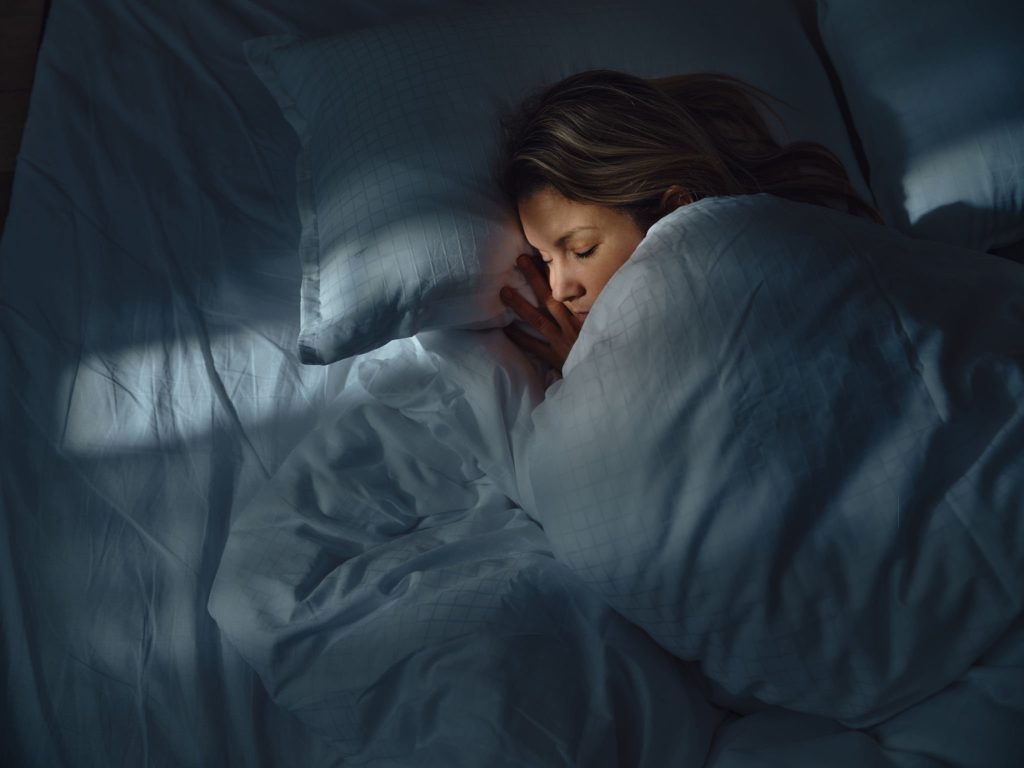
- Sleep deprivation and hallucinations are interconnected phenomena that highlight the intricate relationship between sleep quality and cognitive function.
- Addressing sleep-related problems through effective management and treatment is paramount.
- Our luxury treatment center for sleep-related problems offers comprehensive solutions tailored to individual needs, combining state-of-the-art therapeutic interventions with a serene and comforting environment to promote restful and restorative sleep.
Sleep deprivation and hallucinations are interconnected phenomena that highlight the intricate relationship between sleep quality and cognitive function. Prolonged sleep deprivation can lead to a myriad of cognitive disturbances, including hallucinatory experiences.
Understanding the detrimental effects of sleep deprivation on mental health underscores the importance of prioritizing healthy sleep habits and seeking appropriate interventions to prevent and alleviate the distressing impact of insomnia-related hallucinations.
Addressing sleep-related problems through effective management and treatment is paramount. Our luxury treatment center for sleep-related problems offers comprehensive solutions tailored to individual needs, combining state-of-the-art therapeutic interventions with a serene and comforting environment to promote restful and restorative sleep.
FAQs
However, if the underlying sleep deprivation persists, these hallucinatory experiences may continue intermittently, emphasizing the importance of addressing the root cause of sleep disruption to prevent prolonged episodes of hallucinations.
It’s crucial to address sleep deprivation and any associated hallucinations promptly to prevent the potential long-term health consequences of chronic sleep disruption.